
Dimensionnement du réservoir du chauffe-eau solaire
Citations
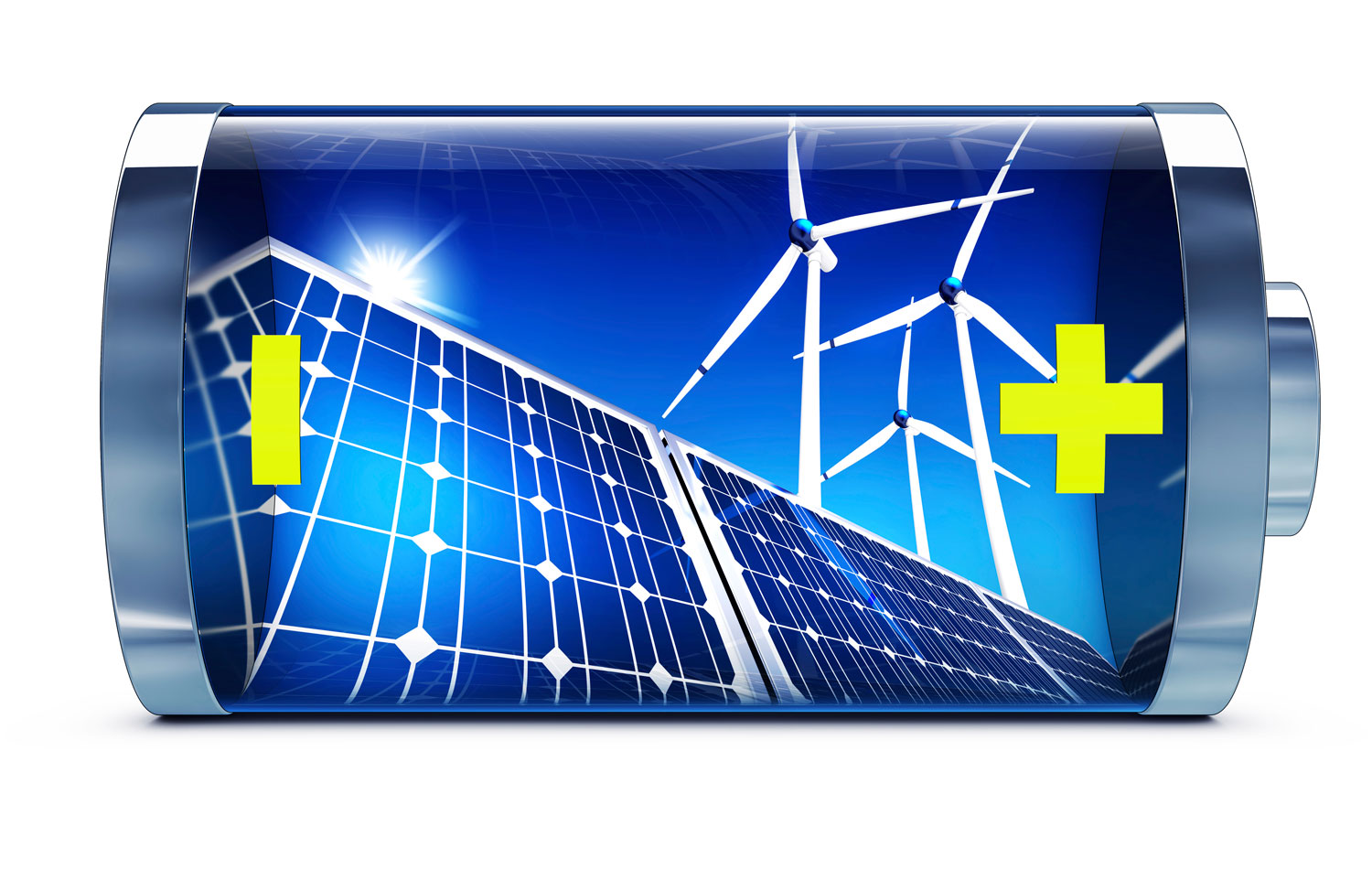
1Store Heat Recuperated by Evacuated Tube Solar Collectors during the sunny period of the day / week / month, to be used during the non sunny period of the same period.
2Some Canadian Cities Sunshine Hours from east to west.
| City | Annual Sunshine Hours |
|---|---|
| Calgary | 2396 |
| Edmonton | 2345 |
| Halifax | 1962 |
| Montreal | 2051 |
| Regina | 2318 |
| Saskatoon | 2268 |
| St-John's | 1633 |
| Sherbrooke | 1567 |
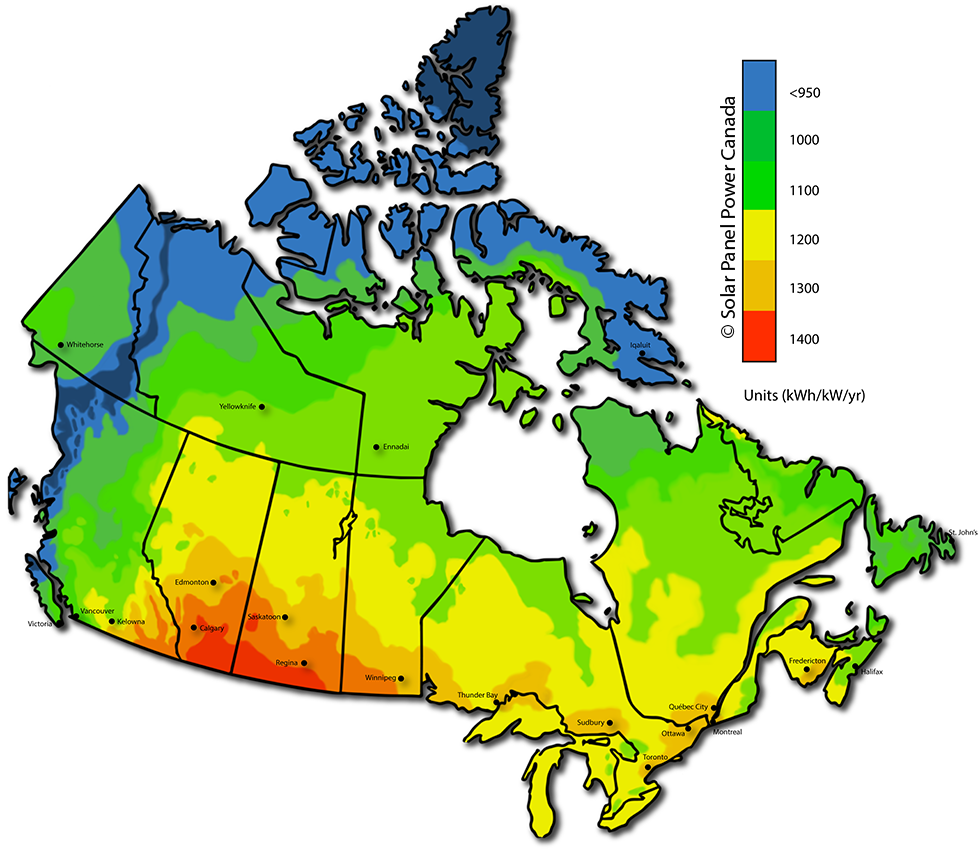
3The Central Southern part of Canada is the sunniest in both winter and summer time
INTRODUCTION
Properly sizing solar water storage tank is critical for the usability and the pay-ability of any solar water heating system. It comes directly after Vacuum Tube Solar collectors selection and positioning (For Solar collectors selection and installation, please refer to this blog post).
Too big or too small solar water storage tank is the optimal recipe for failure: Unreliability and longer than expected payback period.
Over Sizing Solar Water Heater Tank will increase the time required to heat the fluid contained in the tank to a usable temperature. This can make short time sun exposure (especially in winter) almost useless.
The opposite is also true, Under Sizing solar water storage tank undermines the purpose of solar thermal storage (1), which might force some home owner to throw excess heat (that can't be absorbed by the relatively smaller water tank), especially in summer.
WHAT'S GOOD ABOUT SOLAR ENERGY AND WHAT'S NOT
Heat Radiated by the sun is the most abundant source of energy on earth, it's available for free and converting it to other forms of energy such as hot fluid of electricity has never been cheaper than before. Some places on earth have 4000 hours of yearly sun exposure (such as Arizona and Egypt) and other places have only 1500 hours of yearly sun exposure (such as St-John's in Newfoundland, Vancouver in British Colombia or Sherbrooke in Quebec). In colder climates sun hours are more frequent in summer (when it's less needed) and less available in winter (when it's mostly needed).
This is the case of most major Canadian Cities from east to west coast, making a properly sized thermal energy storage tank a necessity for storing captured heat when heating demand is relatively low and using it later on when heating demand is relatively high. Thermal Heat Storage in this case has two purposes: The first is to eliminate any wasted heat (by storing excess heat) and the second is to be able to use already stored excess heat in the absence of panels' sun exposure.
As an example, an over-sized solar water heater tank that only allow a water temperature increase of less than 10⁰F is simply useless.
SOLAR HEAT INTENSITY IS LOCATION DEPENDENT
Sun's thermal intensity isn't the same everywhere in Canada (3). Solar insolation is at its peak in the southern part of Alberta, Manitoba and Saskatchewan as seen in Canada's solar radiation map.
Higher Solar Radiations intensity, expressed in Watt by Square Meter of Solar Collector, requires more thermal storage volume. Consequently less Solar Radiations Intensity require less thermal storage volume.
It's highly recommended for solar designer or installer to avoid using universal rules of thumb (Like 2 US Gallons of Thermal Storage Volume for every 1 Square Foot of Vacuum Tubes Solar Water Heating Collector). What's good for Calgary might not be good for Sherbrooke or St-John's and vice versa.
CALCULATING SOLAR WATER STORAGE TANK
Calculating Solar Water Thermal Storage Tank Volume will be done using the second law of thermodynamics. This Simple Law States that Heat Collected by solar water heating collectors will be equal to the rate of change of storage tank's water internal energy divided by the Sunshine exposure time.
Water Density (Kg/m³) x Water Volume (m³) x ΔU (KJ/Kg) / Δt (Second) = Solar Heat (KW = KJ/second).
Water ΔU (KJ/Kg) = 4.18 (T2 - T1) (°C).
The above formulas are tabulated for both winter and summer time assuming the followings:
| City | Average Winter 6 Hours Sunshine (Watt/m²) | Storage Tank Water Winter Temperature (°C) - T2 After 4 Hours of Sunshine | Average Summer 8 Hours Sunshine (Watt/m²) | Storage Tank Water Summer Temperature (°C) - T2 After 8 Hours of Sunshine | Required Storage Volume by Collector's Gross Area (US Gal./ft²) |
|---|---|---|---|---|---|
| Edmonton | 671.29 | 41.59 | 854.89 | 75 | 1.05 |
| Calgary | 723.45 | 43.09 | 861.56 | 75 | 1.06 |
| Vancouver | 719.09 | 43.97 | 824.93 | 75 | 1.02 |
| Halifax | 827.62 | 48.56 | 796.8 | 75 | 0.98 |
| St-John's | 744.39 | 45.93 | 788.91 | 75 | 0.97 |
| Montreal | 667.239 | 54.84 | 526.57 | 75 | 0.65 |
| Toronto | 593.433 | 54.24 | 476.57 | 75 | 0.59 |
| Sherbrooke | 662.355 | 54.39 | 514.58 | 75 | 0.63 |
| Ottawa | 635.926 | 54.85 | 501.7 | 75 | 0.62 |
| Quebec City | 784.08 | 47.18 | 793.05 | 75 | 0.98 |
| Regina | 659.86 | 41.40 | 847.77 | 75 | 1.04 |
| Winnipeg | 770.091 | 48.58 | 740.945 | 75 | 0.91 |
CONCLUSION
Solar Thermal Storage Volume by unit area of solar water heater collectors varies from Canadian City to another. it can be as low as 0.59 US Gal./ft² to as high as 1.06 US Gal./ft² which might have a big impact on the cost of your solar water heating project. The Storage Tank represent a third of your total material cost and is the central piece that connects your solar water heating installation to the rest of your house or building.
N.B: The above table was prepared based on the above mentioned assumptions. Changing one of the assumptions will make the above tabulated results obsolete from a technical standpoint. For further details please contact our technical team or simply call +1 (888) 686 7652.
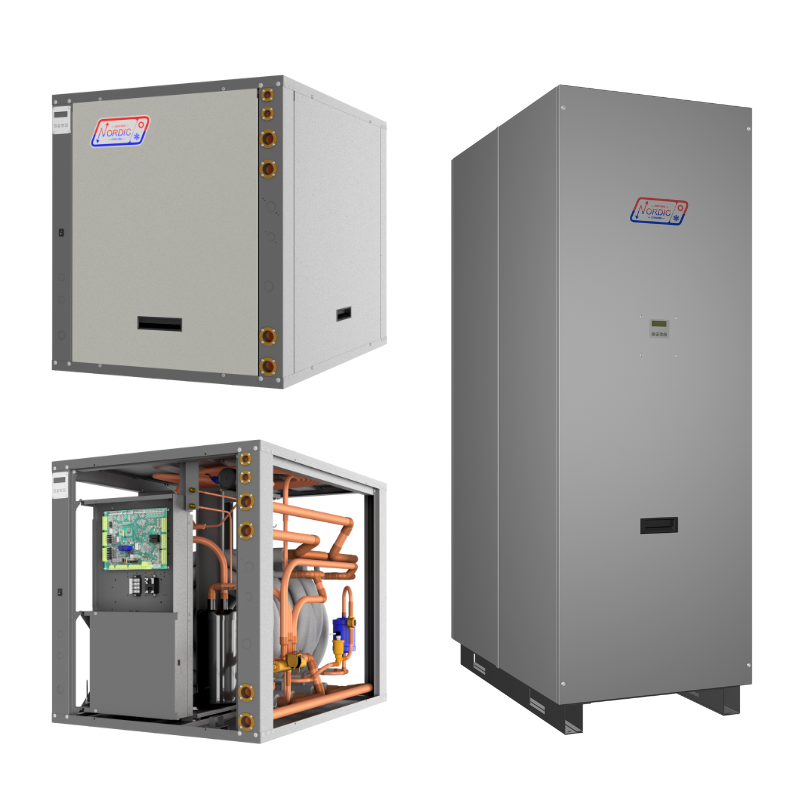

Injection de vapeur améliorée pour les pompes à chaleur air-eau
Ce blog explique les avantages et la faisabilité de l'injection de vapeur améliorée pour les pompes à chaleur air-eau dans les climats froids tels que le Canada et la partie nord des États-Unis.
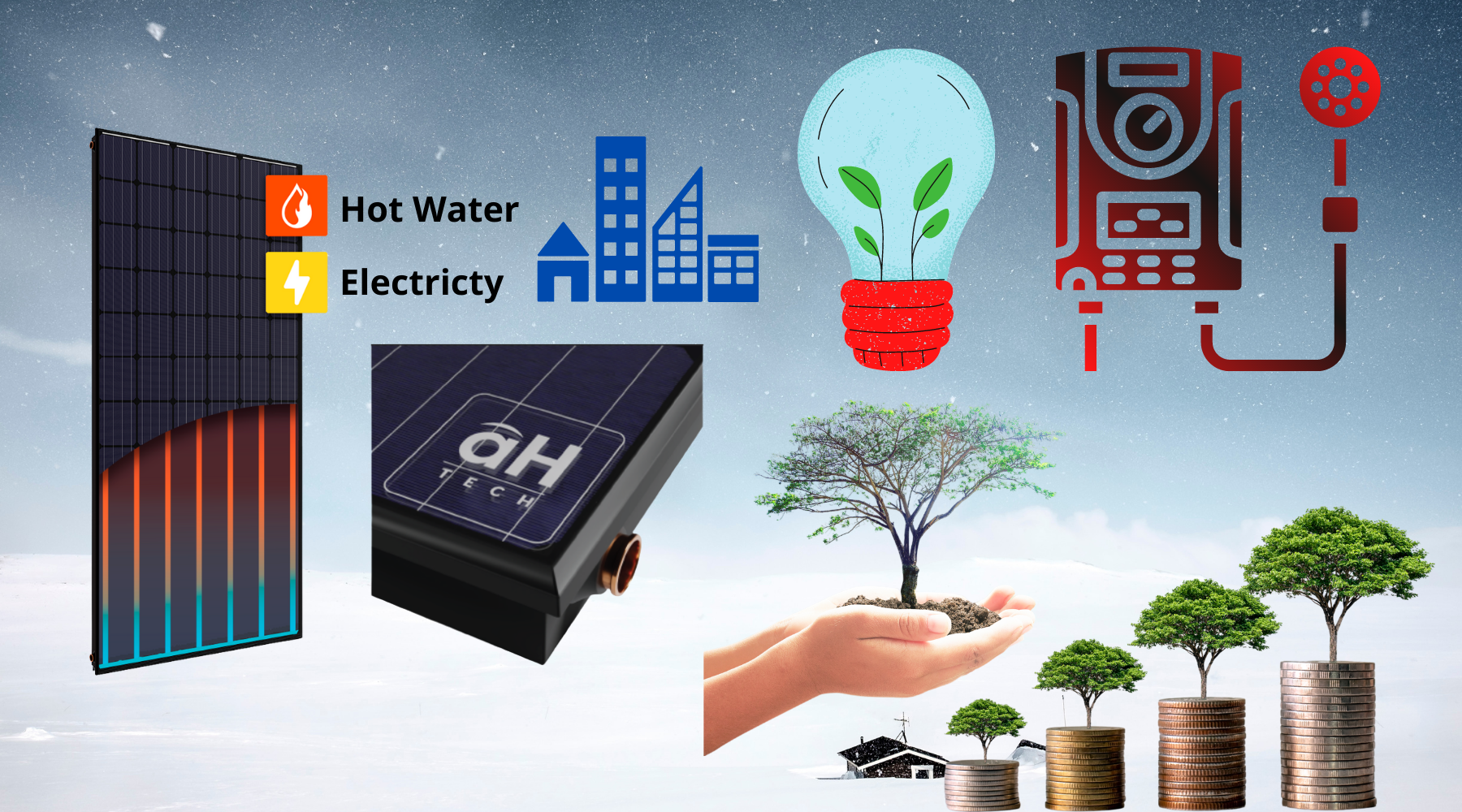
Comment fonctionnent les panneaux photovoltaïques hybrides ?
Ce blog explique le fonctionnement des panneaux solaires photovoltaïques et thermiques hybrides et compare leurs performances à celles des tubes à vide.
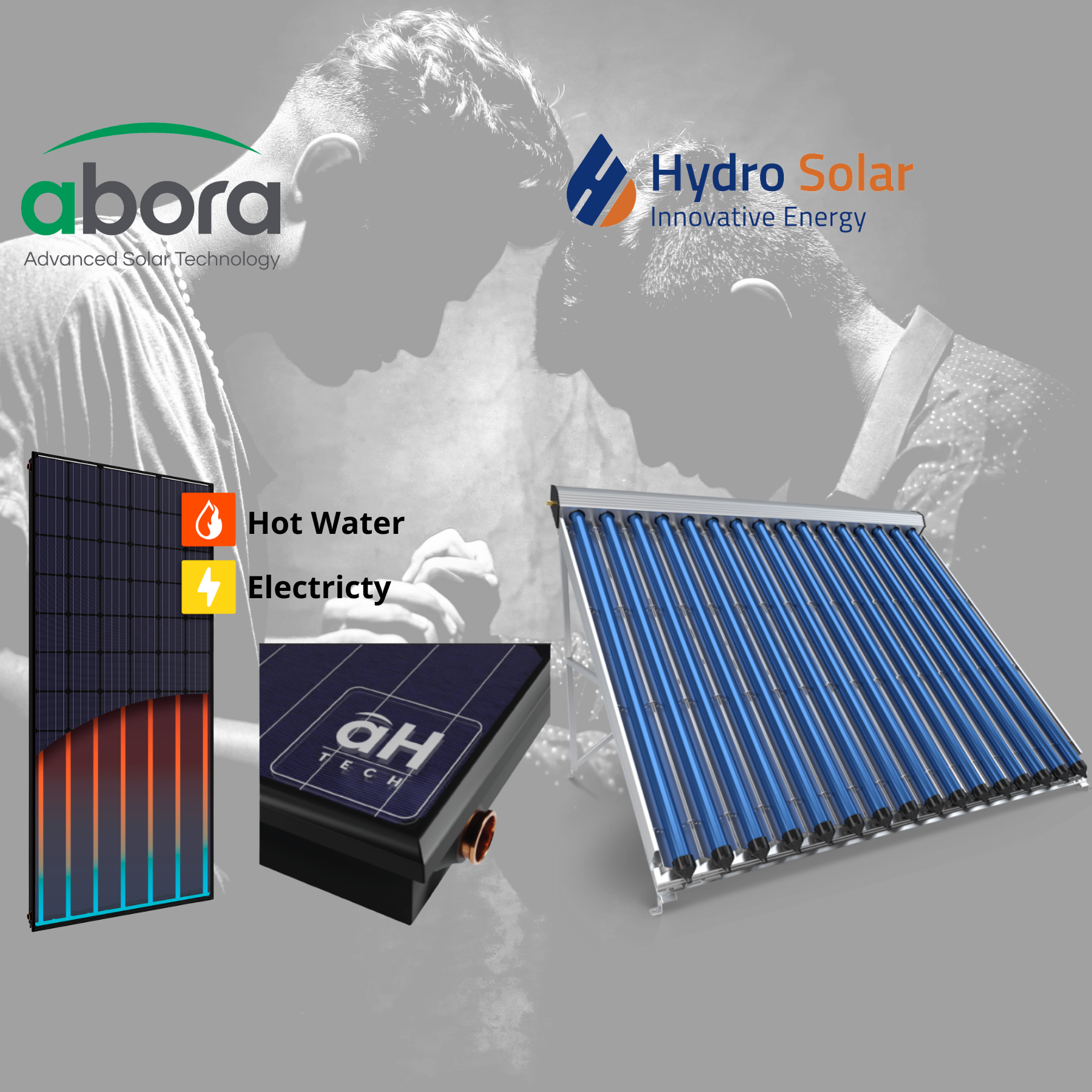
Comparaison des panneaux PVT à tubes à vide et hybrides pour l'Amérique du Nord
Ce blog compare les performances des panneaux PVT hybrides à celles des capteurs solaires à tubes sous vide dans plusieurs grandes villes canadiennes et américaines.
Comment prévenir la condensation dans les applications de refroidissement par rayonnement ?
Ce blog est une recette rapide pour éviter la condensation sur les surfaces refroidies par le refroidissement radiant. Il présente un guide sur le réglage de la température de l'eau glacée circulant dans les boucles de plancher etc....
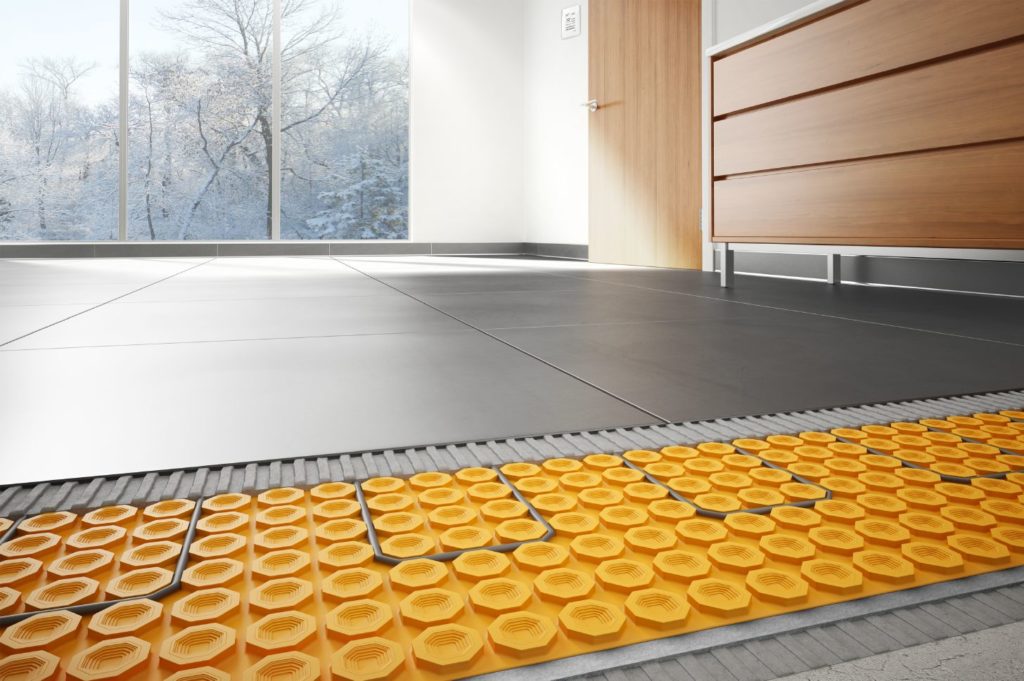
Comment économiser de l'argent avec le refroidissement par rayonnement hydronique ?
Pourquoi le refroidissement par plancher radiant peut-il vous faire économiser de l'argent tout en augmentant le niveau de confort de l'espace intérieur ?
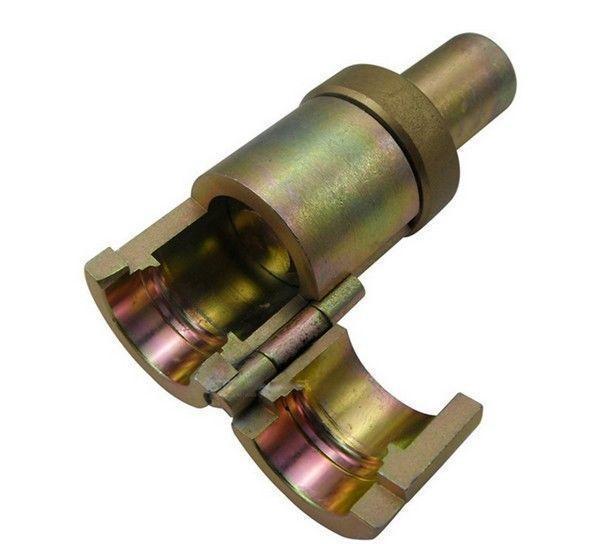
Installation du tuyau solaire étape par étape
Ce blog décrit la procédure de manipulation et d'installation des tuyaux solaires en acier inoxydable pour les applications de chauffage solaire de l'eau. Pour plus d'informations, appelez le +1 (888) 686 7652.

Mesures de sécurité pour les chauffe-eau solaires
Ce blogue résume les exigences du Code canadien CSA-F379 en matière de mesures de sécurité pour les applications de chauffage solaire de l'eau en circuit fermé.

Pourquoi votre système de chauffage solaire de l'eau ne vous permet-il pas de réaliser les économies promises ?
De nombreuses installations de chauffe-eau solaires ne fonctionnent pas comme prévu. Ce blog présente les raisons les plus probables de la défaillance ou de la faible performance d'un système de chauffage solaire de l'eau.